
Brake Fluid Basics: When and Why You Should Replace It
Brake fluid is one of those under-the-bonnet essentials that many drivers overlook—until something goes wrong. In reality, ensuring your brake fluid is in good condition is crucial for safe, efficient stopping power. Below, we’ll explore why brake fluid is so important, how it degrades over time, and the signs that indicate it might be time for a change.
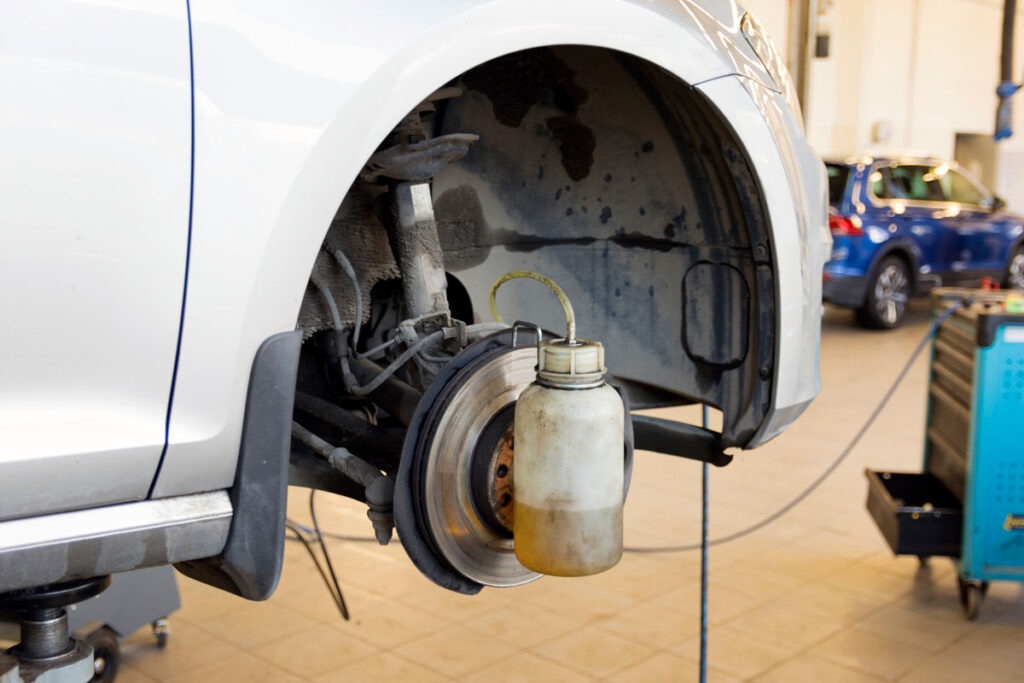
What Exactly Does Brake Fluid Do?
In a typical hydraulic brake system, pressing your brake pedal forces brake fluid through a network of lines and hoses to the calipers and brake pads. Because fluid can’t be compressed, it transfers the force of your foot on the pedal into the pressure needed to slow or stop your car. If the fluid is compromised—through moisture or contamination—that transfer of force gets weaker, leading to spongy brakes or even brake failure.
Two Key Roles of Brake Fluid
- Hydraulic Pressure: The fluid converts your pedal force into braking power. Without sufficient fluid pressure, your braking system becomes much less effective.
- Heat Management: Brake fluid endures high temperatures generated by friction each time you brake, especially during long descents or emergency stops. A healthy fluid with a high boiling point resists “brake fade,” a dangerous scenario where brakes lose efficiency.
How Brake Fluid Degrades Over Time
Brake fluid is hygroscopic, meaning it naturally absorbs moisture from the atmosphere—even in Ireland’s relatively mild climate. Over time, water content in the fluid increases, lowering its boiling point. When the boiling point drops:
- Brake Fade: Excessive heat can cause moisture in the fluid to boil, forming steam bubbles. This leads to reduced pressure and slower stopping times.
- Corrosion Risks: Water accelerates rust inside brake lines and calipers, potentially leading to expensive repairs.
Regular brake fluid changes remove moisture and replenish the system with fresh fluid that can handle heat effectively.
Other Contaminants
Besides water, tiny particles from worn components can accumulate in the fluid. If left unchecked, these impurities can affect how smoothly fluid moves through the system and speed up component wear.
Signs It’s Time to Replace Your Brake Fluid
While it’s best to follow a maintenance schedule—often every two years or according to your manufacturer’s recommendation—certain symptoms suggest you should check your brake fluid sooner:
- Spongy or Soft Brake Pedal: If your pedal feels less firm than usual or sinks closer to the floor, there may be excessive moisture or air in the brake lines.
- Longer Stopping Distances: Does your car take longer to stop than it used to? Degraded brake fluid could be behind the delayed response.
- Dashboard Warnings: Some modern vehicles have sensors that monitor brake fluid levels and quality. A dashboard light or error message might indicate a problem.
- Dark or Dirty Fluid: Brake fluid should look clear or slightly amber. If it appears dark, murky, or contaminated, it’s time for a check.
The Importance of Testing and Replacing Brake Fluid
A professional service centre—like Blueprint Autos in Roscommon—can measure your brake fluid’s boiling point and moisture content to determine if it’s still up to the job. If the fluid fails these tests, a replacement is essential for maintaining peak braking performance.
Brake Fluid Change: What to Expect
- Assessment: Technicians measure fluid boiling point and visually inspect for contaminants.
- Draining the Old Fluid: The old fluid is carefully bled out of the system to remove moisture and debris.
- Refilling with High-Quality Fluid: Fresh fluid that meets or exceeds OEM specifications (e.g. DOT 3, DOT 4) is introduced to ensure optimal performance.
- Final Safety Checks: After refilling, the system is bled to remove any air, then tested to confirm effective braking.
Long-Term Benefits of Regular Brake Fluid Changes
- Increased Safety: Consistent stopping power is crucial in emergencies, especially on unpredictable Irish roads.
- Reduced Repair Costs: Preventing corrosion inside brake lines and calipers can save you from expensive part replacements.
- Enhanced Driving Experience: With a responsive brake pedal, you’ll enjoy smoother, more confident driving whether you’re on a morning commute or a weekend getaway.
- Resale Value: A well-maintained brake system boosts buyer confidence if you ever decide to sell your car.
Don’t Overlook Your Brake Fluid
In the bigger picture of car maintenance, brake fluid might not get the spotlight of engine checks or tyre replacements, but it’s indispensable for safety. Over time, moisture buildup and contamination can compromise your brakes—so a periodic brake fluid change should always be on your radar.
Whether you’re experiencing spongy brakes, noticing a warning light on your dashboard, or simply sticking to a service schedule, replacing brake fluid is a small, cost-effective step that prevents larger issues down the line. If you have any doubts about your vehicle’s braking performance, a quick visit to a trusted professional will provide peace of mind—and keep you safer on the road.


© Blueprint Autos - 2026
