
Home Charging Safety for EV Owners: Essential Tips
Owning an electric vehicle (EV) in Ireland brings many benefits – lower running costs, reduced emissions, and the convenience of charging your car right at home. However, home EV charging also comes with important safety considerations. From selecting the right charger to ensuring correct installation, understanding best practices can help you avoid hazards and maximise the lifespan of your equipment.
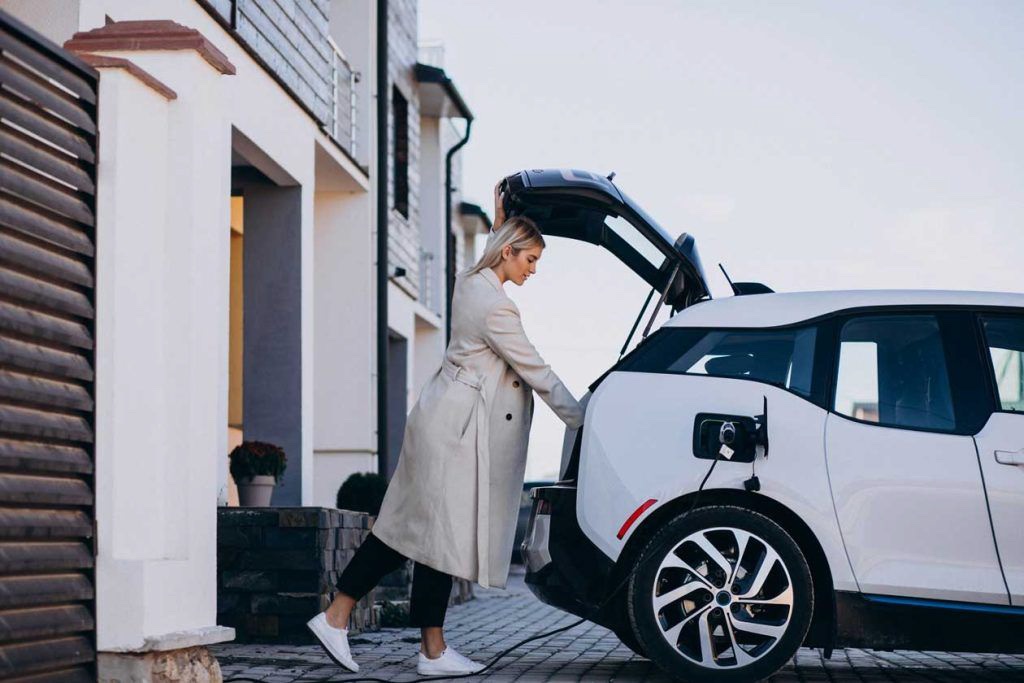
In this guide, we’ll provide essential tips specifically tailored to Irish EV owners, focusing on how to safely choose, install, and use home EV chargers while meeting Ireland’s unique regulatory standards.
Choosing the Right EV Charger for Your Home
Selecting the proper charger is your first step towards safe home charging. EV chargers come primarily in two types for residential use:
- Level 1 (Standard 3-Pin Plug): Uses a standard home socket, suitable for occasional charging. Typically charges at around 2.3kW, but it’s slower and best suited as a temporary solution.
- Level 2 (Dedicated Home Charger): Typically ranges from 7kW to 22kW and requires professional installation. These are safer, faster, and specifically designed for regular home charging.
Certified Equipment is Essential
Always choose chargers that carry recognised safety certifications, such as CE markings and approval from reputable safety standards organisations. In Ireland, look for chargers compliant with IEC 61851 standards and those recommended by your vehicle manufacturer. Certified equipment has undergone rigorous testing to ensure reliability, safety, and compatibility with Irish electrical systems.
Safe Installation: Hire a Registered Electrician
Professional installation by a registered electrician is not just recommended – it’s mandatory under Irish regulations. Improper installation can lead to overheating, electrical faults, and even fires.
Why a Registered Installer Matters
A registered installer ensures compliance with Irish wiring regulations (ET101 National Wiring Rules), guaranteeing your installation is:
- Correctly grounded (earthed)
- Properly fused and protected by residual current devices (RCDs)
- Installed with cables rated appropriately for the charging load
- Compliant with your home’s electrical capacity and supply requirements
Hiring a qualified electrician also ensures your charger installation is safe, insured, and fully compliant, providing peace of mind and protecting your warranty.
Avoiding Electrical Overloading
EV chargers draw significant electrical loads. To prevent overload and related hazards, careful attention is required.
Key Tips to Avoid Overloads
- Dedicated Circuit: Your EV charger should always have its own dedicated circuit. This isolates it from other high-load appliances in your home, preventing circuits from tripping.
- Regular Electrical System Checks: Periodically have your home’s electrical wiring and distribution board checked by a professional electrician to confirm it remains suitable and safe for regular EV charging.
- Smart Chargers & Load Management: Modern smart chargers dynamically manage power, automatically adjusting charging speed to match your home’s electrical capacity. These chargers can significantly reduce the risk of overload.
Proper Charger Location and Installation
Choosing the right location is important not just for convenience, but also for safety:
- Outdoor Installations: If your charger is outdoors, ensure it’s specifically designed and IP-rated for outdoor use (at least IP54 protection recommended in Ireland due to frequent rain).
- Weather Protection: Chargers should be installed in sheltered locations or fitted with weatherproof housing. Direct exposure to moisture or extreme temperatures can lead to damage or malfunction.
- Cable Safety: Position your charger so that the cable doesn’t become a tripping hazard. Use cable management solutions, such as wall-mounted reels or cable hooks, to maintain safety and tidiness.
Safe Charging Habits: Daily Best Practices
Safety doesn’t stop once your charger is installed. Adopting daily safe charging habits helps ensure ongoing reliability and protection.
Essential Charging Tips:
- Regular Visual Checks: Periodically inspect your charger and cable for any signs of wear, damage, or overheating. Immediately replace any damaged equipment.
- Unplug Safely: Always grip the plug itself rather than the cable when disconnecting your charger to avoid damage to connectors and cables.
- Avoid Extension Cables: Never use household extension cords to charge your EV, as they’re not rated for continuous high-current loads and present serious fire risks.
- Monitor Charger Temperature: If your charger or plug ever feels excessively hot during charging, stop charging immediately and have it inspected.
Understanding and Following Irish Regulations
Ireland has specific regulatory requirements related to EV charging to protect homeowners and public safety. Compliance not only ensures safety but can prevent issues when selling your home or making an insurance claim.
- SEAI Grant Requirements: If you’re availing of the SEAI (Sustainable Energy Authority of Ireland) Home Charger Grant, your charger must meet specific requirements, and you must use an SEAI-registered installer.
- Notification to ESB Networks: Certain installations, especially higher-capacity chargers (over 7kW), may require notification to ESB Networks to ensure your local supply is adequate.
- Compliance Certificates: After installation, always request an Electrical Completion Certificate (ECC). This confirms your installation meets all regulatory requirements, important for future reference and insurance purposes.
Emergency Preparedness: Knowing How to Respond
Understanding what to do in case of an electrical emergency is essential:
- RCD Awareness: Know the location of your charger’s residual current device (RCD). If an electrical fault occurs, the RCD will shut off power automatically. Regularly test this device (monthly is recommended).
- Emergency Contacts: Keep your registered electrician’s contact details easily accessible for any urgent issues or questions regarding your charger.
Keeping Irish EV Owners Safe at Home
Home charging provides EV owners in Ireland with unmatched convenience and control over their driving costs. By following these straightforward but essential safety tips – selecting certified equipment, ensuring professional installation, regularly maintaining your charger, and adhering to local regulations – you can enjoy all the benefits of electric driving safely and confidently. At Blueprint Autos, our experienced team understands EVs, including their charging requirements and safety guidelines specific to Ireland. Whether you need advice, professional EV charger installation guidance, or reliable servicing, we’re here to help ensure your EV charging is always safe, efficient, and worry-free.


© Blueprint Autos - 2026
