
Wheel Alignment vs. Balancing: Key Differences and Why Irish Drivers Need Both
Proper vehicle maintenance is essential for safe, efficient, and enjoyable driving. While most Irish drivers are familiar with basic car care like tyre checks or oil changes, two important yet commonly misunderstood services are wheel alignment and wheel balancing.
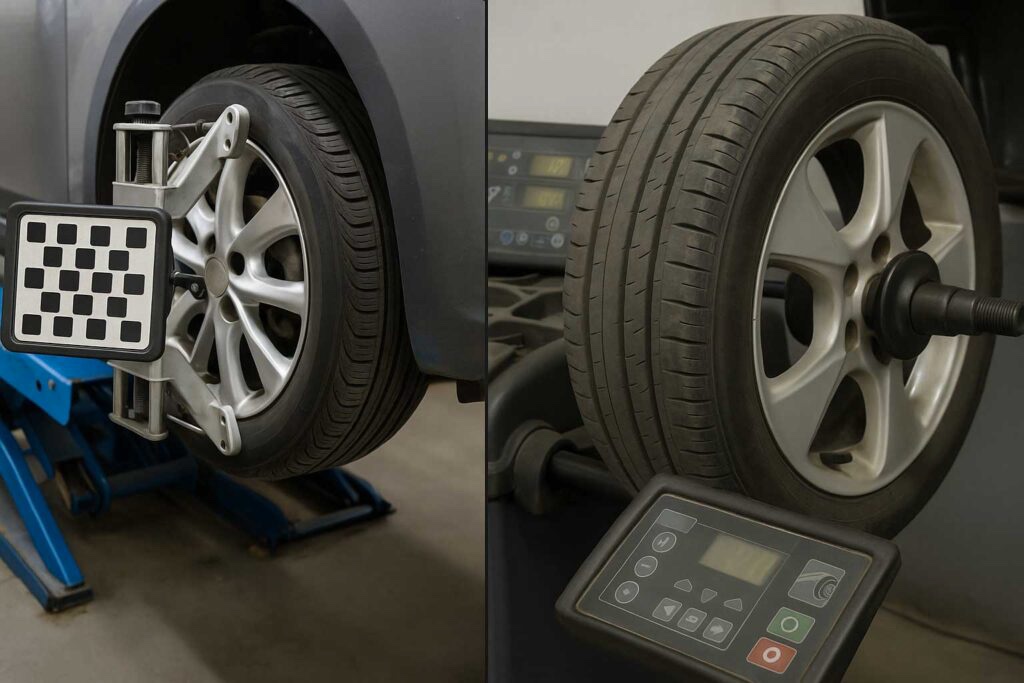
Despite sounding similar, alignment and balancing perform very different roles. Understanding each – and knowing when your car needs them – helps you achieve smoother rides, better fuel economy, and increased tyre life, especially on Ireland’s diverse roads.
Here’s what every Irish driver needs to know about alignment, balancing, and why both services are crucial.
What is Wheel Alignment?
Wheel alignment involves making precise adjustments to your car’s suspension and steering—the systems that connect and guide your wheels—to ensure tyres sit at the correct angles. Properly aligned wheels keep your vehicle driving straight, evenly distribute tyre wear, and significantly improve handling performance.
Signs Your Car Needs Wheel Alignment
- Uneven Tyre Wear: One tyre or one side of a tyre wears faster.
- Steering Wheel is Off-Centre: When driving straight, your steering wheel sits crooked.
- Vehicle Pulling or Drifting: Your car veers slightly to one side without steering input.
- Handling Feels Unstable: Your car may feel “loose” or less responsive on winding Irish roads.
The Benefits of Regular Alignment Checks
Regular alignment offers several clear benefits for Irish drivers:
- Improved Tyre Lifespan: Even tyre wear significantly extends the life of your tyres.
- Enhanced Safety and Handling: Better stability and control, particularly valuable on rural Irish roads with uneven surfaces.
- Improved Fuel Efficiency: Proper alignment reduces unnecessary resistance, giving you more mileage per litre.
How Often Should You Get a Wheel Alignment?
It’s advisable to check wheel alignment once every year or every 15,000 km. However, on rural or pothole-filled Irish roads, you might require alignment checks more frequently. Always get alignment checked after hitting a significant pothole or kerb, and regularly inspect your tyres – uneven wear, especially noticeable on one edge, is often a clear indicator that your wheels need realigning.
What is Wheel Balancing?
Unlike alignment, wheel balancing addresses weight distribution across each wheel. Every tyre and rim combination has minor imbalances. Even tiny imperfections can cause noticeable vibrations at higher speeds. Wheel balancing corrects these by evenly distributing weight around each wheel, typically by adding small lead weights.
Signs Your Car Needs Wheel Balancing
- Vibrations at Higher Speeds: A common sign, often felt through the steering wheel at motorway speeds.
- Steering Wheel Shakes: A shaking steering wheel, especially around 80–100 km/h.
- Uneven or Patchy Tyre Wear: Tyres wearing unevenly in small patches.
Why Wheel Balancing Matters for Irish Drivers
Regular balancing provides significant advantages:
- Smooth and Comfortable Driving: Eliminates vibrations, enhancing comfort during long drives across Ireland.
- Reduced Wear on Suspension Components: Less vibration means fewer mechanical issues down the line.
- Longer Tyre Life: Evenly balanced wheels distribute weight evenly, ensuring optimal tyre performance andlongevity.
How Often Should You Get Wheels Balanced?
Typically, you should balance your wheels whenever you replace tyres or rotate them – approximately every 10,000–15,000 km. However, if you frequently drive on uneven rural roads or regularly experience potholes, more frequent balancing checks might be necessary.
Key Differences Between Wheel Alignment and Balancing
The most common confusion among drivers is thinking alignment and balancing do essentially the same thing. Let’s clarify:
- Wheel Alignment adjusts angles of wheels to ensure they’re correctly positioned relative to the road and each other. Its main purpose is preventing uneven tyre wear and improving vehicle handling.
- Wheel Balancing corrects uneven weight distribution within individual wheels. Its primary role is eliminating vibrations and ensuring smoother driving at higher speeds.
In short, alignment fixes the angle of your wheels; balancing fixes the distribution of weight around each wheel.
Why Irish Roads Make Both Services Essential
Ireland’s roads can vary widely – from newly surfaced motorways to narrow country lanes riddled with potholes. Rougher rural roads mean more frequent impacts that can knock your wheels out of alignment or disturb their balance.
Misalignment or imbalance might start as a minor inconvenience, like vibrations or drifting steering, but left unchecked, they quickly escalate into bigger issues. For instance, misalignment causes premature tyre replacement, while imbalance increases wear on suspension and steering components.
How Alignment and Balancing Can Save You Money
Keeping your wheels both aligned and balanced doesn’t just make driving more comfortable; it also saves money over time. Properly maintained wheels mean:
- Fewer tyre replacements due to uneven wear.
- Better fuel economy, saving you money at the pump.
- Less frequent suspension or steering repairs caused by unnecessary vibration and stress.
How to Tell if Your Car Needs Alignment, Balancing, or Both?
If your steering wheel feels off-centre or your car pulls to one side, alignment is likely the issue. If you feel vibrations at higher speeds or uneven tyre wear, wheel balancing is probably needed. However, if you notice multiple symptoms (like both pulling and vibrations), you might need both services simultaneously.
The best approach is to have both alignment and balancing checks done regularly, ensuring that your wheels are always optimally set up for safe driving.
Keep Your Car Driving Straight and True
Clear understanding of wheel alignment and balancing helps you make informed maintenance decisions, keeping your car safer, more economical, and enjoyable to drive on Ireland’s roads.
At Blueprint Autos, we offer comprehensive computerised wheel alignment and balancing services tailored specifically for the diverse challenges of Irish driving conditions. By regularly checking and correcting these crucial components, you’re protecting your investment, enhancing driving comfort, and ensuring a safer journey – whether on urban streets or rural back roads.
Remember: alignment and balancing aren’t either-or services. Both play distinct yet complementary roles in maintaining your vehicle’s optimal performance. Stay ahead of tyre wear, improve safety, and enjoy smoother drives across Ireland by making these checks part of your regular maintenance schedule.


© Blueprint Autos - 2026
